A customer can feel the difference between a considered purchase and a generic product before they have even tried what is inside. The right retail packaging examples do more than hold stock safely: they communicate quality, make product information easy to find and give people a reason to remember your brand.
For retailers, food and beverage operators, and growing consumer brands, packaging needs to work hard. It must suit the product, survive handling, fit the sales channel and look convincing at the point of purchase. The most effective choice is not always the most elaborate one. Often, it is the format that makes your product easier to carry, easier to understand and more enjoyable to open.
10 Retail Packaging Examples for Stronger Brands
1. Branded paper bags for takeaway and retail purchases
A paper bag is often the first moving advertisement a customer takes away from your shop. Cafés use them for pastries and takeaway drinks; boutiques use them for apparel, gifts and accessories. A clean logo, consistent brand colours and a well-chosen handle can make a simple bag feel far more premium.
Kraft paper gives an earthy, natural appearance that suits artisanal food, wellness and eco-conscious brands. Coated white bags offer a sharper canvas for colourful graphics and detailed photography. Consider the weight of the contents before selecting the paper thickness and handle style. A beautiful bag that strains under a purchase will not leave the impression you intended.
2. Custom folding cartons for shelf-ready products
Folding cartons are among the most flexible retail packaging examples because they can be tailored to many product types, from skincare bottles and supplements to electronics, candles and confectionery. Their flat-packed format can also make storage and transport more efficient before assembly.
The front panel should establish the brand and product quickly. Side and back panels can carry ingredients, usage instructions, sizing, safety details or a short brand story. A die-cut window is useful when customers need to see the actual product, but it is not always necessary. For a luxury item, keeping the product concealed can create more anticipation and offer better protection from light.
3. Stand-up pouches for snacks, powders and refills
Stand-up pouches are a practical choice for coffee, granola, pet treats, dried food, powdered drinks and refill products. Their broad printable surface gives you room for strong shelf branding, while resealable zip closures help preserve freshness after opening.
For food products, material selection must be matched to barrier and sealing requirements, not appearance alone. A matte finish may support a handcrafted look, while gloss can make bright colours and product images feel more energetic. If your product is sold in busy retail environments, make the key information readable from a short distance: product name, flavour or variant, size and the main reason to choose it.
4. Rigid gift boxes for premium launches
When the product is positioned as a gift, a rigid box turns the purchase into an occasion. Beauty sets, corporate gifts, jewellery, high-end stationery and festive hampers benefit from a structure that feels substantial in the hand.
Finishing makes a real difference here. Foil stamping can add a polished highlight to a logo, embossing creates texture, and Spot UV can draw attention to selected artwork without overwhelming the design. These treatments add cost, so use them with purpose. One beautifully finished brand mark is usually more effective than applying every available effect across the entire box.
5. Window boxes that build buyer confidence
A window box lets the product do some of the selling. This works especially well for baked goods, toys, gift sets, fashion accessories and products with strong visual appeal. Customers can check colour, size and condition without opening the pack, which can reduce hesitation at the shelf.
The window shape should support the product rather than distract from it. A simple rectangle can look clean and commercial, while a custom die-cut shape can reinforce a playful brand identity. Remember that larger windows reduce the available space for messaging and may affect structural strength, so the layout needs careful planning.
6. Product sleeves for a lighter branded finish
A printed sleeve is a cost-conscious way to turn a plain box, tray, jar or bottle into a branded retail item. It is particularly useful for seasonal ranges, limited editions and small-batch promotions where producing a fully printed pack may not be necessary.
Sleeves can carry promotional messages, flavour details or campaign artwork while allowing one standard inner container to serve multiple product variations. The trade-off is that the underlying packaging remains visible, so both pieces need to look intentional together. Accurate sizing is essential: a sleeve that slides too easily or buckles at the corners immediately feels less refined.
7. Mailer boxes made for online orders
Retail packaging no longer begins only at the shop shelf. For e-commerce brands, the delivery box is the customer’s first physical interaction with the order. A custom mailer box can protect products in transit while carrying your brand from warehouse to doorstep.
Printed interiors are a strong option for unboxing moments, especially for products that are often shared on social media. However, the outside still needs to be practical. Keep dispatch labels, barcodes and handling marks clear of crucial design elements. If shipping costs are sensitive, choose a size that avoids excess void space and unnecessary packing material.
8. Food packaging that protects presentation
For restaurants, bakeries and takeaway concepts, packaging needs to preserve freshness and presentation until the customer is ready to eat. Cake boxes, food sleeves, burger boxes, pastry bags and takeaway carriers should be selected around heat, moisture, oil resistance and ventilation, as well as branding.
A beautifully printed food box is only successful if the meal arrives in good condition. Fried foods need ventilation to avoid becoming soggy, while sauces and chilled items require secure containment. Branded stickers are a useful addition for sealing packs, identifying orders or adding a batch-specific detail without changing the main packaging artwork.
9. Retail labels and stickers for versatile branding
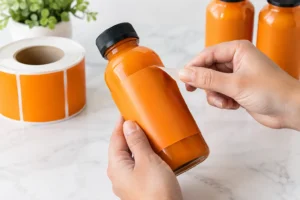
Not every product requires a printed carton. Labels and stickers can be the right solution for jars, bottles, tins, candles, cosmetics and handmade goods. They allow businesses to order smaller runs, refresh designs quickly and personalise ranges without replacing the container itself.
Paper labels suit dry, indoor products and a crafted appearance. Synthetic materials are generally better for items exposed to moisture, refrigeration or regular handling. Think about where the label will sit: curved surfaces, textured containers and small-format packaging all affect how artwork should be prepared. A label that is clear and straight is more valuable than a complex design squeezed into too little space.
10. Counter display packaging for impulse purchases
Small products can disappear in a crowded shop unless they are given a dedicated display. Counter display boxes work well for confectionery, travel-sized beauty products, accessories, promotional samples and checkout offers. They combine packaging and point-of-sale display in one format.
The header card is where the selling message belongs. Keep it concise, visible and relevant to the buying decision. A display that holds too many units can look untidy as stock runs down, while one that holds too few may need constant replenishment. The ideal structure depends on product size, retail space and how often staff can restock it.
How to Choose Between Retail Packaging Examples
Begin with the journey your product takes. Will it sit on a supermarket shelf, be handed across a café counter, travel by courier or be presented as a corporate gift? Each route creates different demands around protection, storage, opening experience and visibility.
Next, decide which detail must be noticed first. It may be a flavour, a product benefit, a premium ingredient, a seasonal offer or simply your logo. Good packaging creates hierarchy rather than asking customers to read everything at once. Use typography, colour and finishing to lead the eye towards that one critical message.
Budget matters, but it should be considered across the whole product experience. A low-cost format that arrives damaged, fails to reseal or looks inconsistent with your brand can cost more through returns and missed repeat purchases. On the other hand, an elaborate premium box may not be sensible for a fast-moving, everyday item. The right answer depends on your price point, sales volume and customer expectations.
Artwork preparation is equally important. Allow for bleed, folds, glue areas, barcode placement and legal product information before the design is finalised. A production partner can help check these practical details, recommend suitable materials and apply finishing options that support the concept. As a one-stop solution for printed packaging and supporting retail materials, 2B Printing can also help keep bags, labels, inserts and displays visually consistent.
Your packaging is a small but persistent piece of your brand’s voice. Choose a format that earns its space in the customer’s hands, protects what you have made and makes the next purchase feel like the obvious choice.