A beautifully prepared cookie, a speciality coffee blend or a ready-to-eat meal can lose its appeal in seconds if the pack feels flimsy, unclear or forgettable. Custom food packaging printing turns a necessary container into a visible part of your customer experience – protecting the product, carrying essential information and giving your brand a confident place in busy retail and delivery environments.
For Singapore food and beverage businesses, packaging often has to work harder than a label alone. It may need to withstand humidity, travel safely through a delivery rider’s bag, stand out on a crowded shelf and look good enough for customers to photograph. The right choices begin with how and where your product will be used, not simply with a logo on a box.
What Custom Food Packaging Printing Needs to Do
Packaging is a practical investment before it is a decorative one. A pastry box needs the right structure to prevent damage. A stand-up pouch needs a suitable barrier to help preserve its contents. A takeaway bag needs handles and paper strength that match the load. When these fundamentals are right, the printed design has a far better chance to make a lasting impression.
Your pack should also make the next customer decision easier. A shopper should be able to identify the product, flavour or variant quickly. A delivery customer should know whose meal has arrived before opening the bag. For a growing brand, that instant recognition builds familiarity across every touchpoint, from market stalls and cafés to supermarkets and corporate gifting.
The strongest packaging brings these jobs together. It feels considered in the hand, communicates clearly at a glance and reflects the standard of the food inside.
Start With the Product, Not the Artwork
It is tempting to begin with colours, typography and finishing effects. Those elements matter, but the product itself should set the brief. Consider its weight, fragility, temperature, shelf life, serving format and route to the customer.
A dry snack, for example, may suit a printed pouch that is lightweight, space-efficient and easy to reseal. Fresh bakes may need boxes with ventilation or inserts that reduce movement. Saucy takeaway dishes require secure containers and branding that remains visible even when condensation is part of the journey. There is no single best packaging format because the best option depends on the product and the customer’s experience of it.
Ask the operational questions early
Before finalising a packaging size, test it in the real world. Can staff pack it quickly during a lunch rush? Does it fit existing delivery bags or retail display shelves? Will customers be able to carry it comfortably? Does the outer surface remain presentable after handling?
These details affect cost as well as presentation. An oversized box wastes material and storage space. A highly intricate structure may look premium but slow down packing. A simple, well-proportioned format can often deliver a more polished result at a more manageable unit cost.
If the food comes into direct contact with the packaging, confirm that the chosen substrate, coating, ink application and production approach are appropriate for that use. Food contact requirements are not an area for assumptions. Your packaging supplier can guide the print specifications, while your business remains responsible for ensuring the finished pack suits the product and relevant requirements.
Build a Design System Customers Can Recognise
Food packaging has limited space, particularly on smaller labels, pouches and cups. This makes hierarchy more valuable than decoration. Your brand name, product name and key buying cue should be easy to find, even from a short distance.
A useful approach is to establish a repeatable system. Keep the logo position consistent, use a recognisable colour palette and assign clear colour or icon cues to flavours, dietary options or product ranges. This creates order as your catalogue grows. Customers can spot the familiar brand first, then find the exact product they want.
For a new business, restraint is often more effective than trying to communicate every selling point on the front panel. Let one key message lead – perhaps small-batch roasting, a signature local flavour or a premium ingredient. Supporting details can sit on the back, side panel, insert or label where customers can take a closer look.
Make mandatory information part of the design
Ingredients, allergens, storage instructions, dates, preparation guidance and business details may need space depending on your product category and sales channel. Treat these elements as part of the layout from the start. Adding them at the final artwork stage can force tiny type, awkward gaps and compromised branding.
A clean information panel can support trust. Use legible type, adequate contrast and enough clear space for variable details such as batch numbers or expiry information. If you sell across several channels, consider whether the same pack must accommodate retail requirements, delivery instructions and promotional messaging. Designing for the full journey avoids costly last-minute stickers or reprints.
Choose Materials and Finishes With Purpose
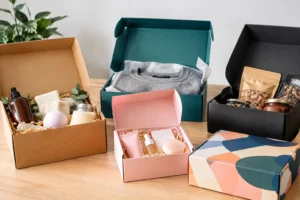
Material selection changes how customers interpret your brand before they even try the food. Natural kraft paper can suggest warmth, craft and everyday accessibility. A smooth coated board may suit a refined bakery or gift range. Clear windows can showcase a product’s colour and texture, while a fully printed pouch gives you more room for striking graphics and product information.
The premium option is not always the right option. Foil stamping, embossing, Spot UV and textured stocks can add memorable detail, especially for festive hampers, limited editions or corporate gifts. Yet these finishes may be less suitable for high-volume, fast-moving takeaway packaging where speed, durability and price consistency matter most.
Think about the environment in which the packaging will be handled. A matte surface can feel elegant, but may show oil marks more readily on certain applications. A paper bag may look excellent at the counter but need reinforcement when carrying multiple drinks or heavier meal boxes. Ask for samples and test them with the actual product rather than judging materials from a screen.
Plan Quantities Around Demand and Change
Packaging unit cost usually improves as quantities rise, but ordering the largest possible run is not automatically economical. Food brands change menus, refresh branding, add flavours and respond to seasonal demand. A large stock of obsolete packs is rarely a saving.
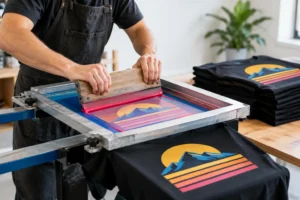
Digital printing can be particularly useful for shorter runs, pilots and multiple versions, helping brands test a new product or campaign without committing to excessive inventory. Offset printing may offer stronger economies for larger, stable runs where a design is unlikely to change soon. The practical choice depends on quantity, artwork complexity, finishing requirements and your timeline.
Consider a phased order when launching. Begin with a sensible quantity that supports a real sales period, learn from customer feedback and operational use, then refine before scaling. This is especially valuable when you are still determining the ideal pouch size, box insert or label format.
Prepare Print-Ready Artwork to Protect Your Timeline
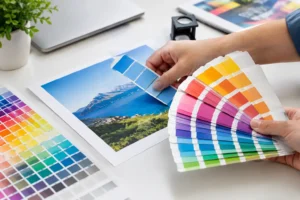
Fast turnaround relies on clear decisions before production begins. Your artwork should be supplied at the requested dimensions with suitable bleed, safe margins and high-resolution images. Brand colours should be specified appropriately for print rather than copied directly from a screen reference, which can appear brighter than physical ink.
Die-cut packaging needs extra care. The dieline shows where the pack will cut, fold and glue. Important text, barcodes and logos must stay within safe areas and away from folds, seams and closures. A design that looks balanced on a flat layout can become misaligned visually once formed into a box or pouch.
Proofing is the point to check every detail: spelling, prices, ingredients, contact information, variant names and legal copy. Involve the people who pack, sell and deliver the product as well as the marketing team. They often spot practical issues that are invisible in a design review.
Make Packaging Part of a Wider Brand Experience
The most effective packs do not work alone. Match their visual language to your stickers, paper bags, menu cards, counter displays, event banners and promotional inserts. A customer should feel the same brand personality whether they are receiving a parcel, browsing a shelf or picking up lunch from a kiosk.
This is where a one-stop production partner can simplify growing operations. Rather than coordinating separate suppliers for boxes, labels, bags and point-of-sale materials, businesses can maintain better colour consistency, reduce administrative effort and launch campaigns with a more unified finish. 2B Printing supports this joined-up approach with packaging and commercial print options tailored to each brief.
Custom food packaging printing is not about making every pack extravagant. It is about making each interaction feel intentional. When the format suits the food, the information is clear and the visual identity is unmistakably yours, the packaging keeps working long after it leaves your counter.