The first thing a subscriber touches should feel considered, not like a standard shipping parcel with a logo added at the last minute. A strong subscription packaging example shows how thoughtful materials, structure and printed details can turn a recurring delivery into a reason to stay subscribed.
For growing brands, packaging has to do more than photograph well. It must protect the product through delivery, suit the frequency of fulfilment, stay within a realistic per-unit budget and make every monthly, quarterly or seasonal order feel worth opening. The best approach depends on what you sell, how it travels and what your customers expect.
What makes subscription packaging work?
Subscription packaging sits at the meeting point of operations and brand experience. A beautifully finished rigid box may suit a premium gifting concept, but it can become an expensive choice for a high-volume snack subscription. A lightweight printed mailer may control postage costs, yet offer too little protection for fragile skincare bottles.
Start with the product, not the decoration. Measure its size, weight and weak points, then consider whether customers are likely to keep, reuse or recycle the packaging. From there, build the visual layer: your brand colours, logo, campaign message and a small moment of surprise.
Consistency matters because subscribers see the packaging repeatedly. This does not mean every box must be identical. A familiar outer design paired with changing interior messages, seasonal stickers or collectible cards gives customers something new while keeping production efficient.
6 subscription packaging examples for better unboxings
1. The branded corrugated mailer for recurring essentials
A corrugated mailer box is a practical choice for products that need dependable protection, including coffee, health supplements, personal-care items and curated retail goods. Print the exterior with your logo and a recognisable colour palette, then use the inside panels for a welcome message, product instructions or next-month teaser.
This format works particularly well when the parcel may change slightly in contents from one cycle to the next. A carefully chosen box size reduces excess void fill, while tissue paper or a custom printed insert keeps smaller items neatly presented. For a first subscription delivery, include a simple card explaining how the plan works and where customers can find support.
The trade-off is storage and delivery cost. Corrugated boxes take up more warehouse space than flat mailers, so they are best when protection and presentation justify the extra volume.
2. The stand-up pouch for coffee, snacks and refills
For food brands and refill concepts, a printed stand-up pouch can make a subscription feel contemporary, convenient and shelf-ready. The pouch can carry flavour information, ingredients, preparation guidance and batch details, while a resealable zipper helps customers keep the product fresh between uses.
A coffee roaster, for example, could retain a consistent master layout but vary the pouch colour by origin or roast profile. Subscribers quickly learn what they are receiving, while the collection still looks cohesive in a kitchen cupboard or workplace pantry.
Pouches are often more economical to ship than boxed formats, especially for lightweight products. However, the artwork must be planned carefully. Leave enough clear space for variable data such as expiry dates, barcodes or flavour labels, and ensure that food-safe material requirements are addressed before production.
3. The discovery box for skincare and beauty samples
Beauty subscribers are not only buying products. They are buying a ritual, a chance to try something new and the confidence to use it correctly. A compact custom box with a printed sleeve or neatly arranged compartments can give each sample its own place, preventing bottles and tubes from rolling around during transit.
This is where tactile finishing can add real value. Soft-touch lamination can support a refined skincare brand, while foil stamping or Spot UV can highlight a logo or limited-edition campaign. These details should be used with restraint. One well-placed finish is usually more memorable than several competing effects.
Add a product card with usage order, key benefits and a QR code only if it serves a clear purpose. Printed guidance remains useful even when a customer does not want to reach for their phone. The result is an experience that feels helpful rather than over-designed.
4. The letterbox-friendly self-care parcel
Not every subscription needs a large box. A self-care brand sending sheet masks, tea sachets, stationery, socks or small accessories may benefit from a slim letterbox-friendly format. This reduces missed deliveries and gives customers the pleasure of receiving a parcel without needing to be home.
A custom printed cardboard mailer can still feel special. Use a branded sealing sticker, a patterned inner panel and a short line of copy that fits your brand voice. A small postcard can introduce the theme of the month without adding much weight or cost.
This subscription packaging example is especially effective for lower-priced recurring plans. The format supports an accessible subscription price while making the arrival feel intentional. The limitation is obvious: larger or delicate items will need a more protective solution.
5. The seasonal collector’s box for premium launches
A premium subscription can use packaging to create anticipation before the box is even opened. Think of a limited-run gourmet hamper, wine club, collector’s merchandise box or corporate gifting programme. Here, a rigid box, magnetic closure or die-cut sleeve can make the delivery feel like an occasion.
The strongest versions give customers a reason to retain the box. A well-made structure can become storage for accessories, recipe cards, keepsakes or future purchases. When the format is designed for reuse, it supports perceived value and reduces the sense of disposable packaging.
Premium structures require more planning. They often have higher minimum order quantities, longer production lead times and more assembly steps. Reserve them for subscriber milestones, festive editions or high-value product ranges where the perceived upgrade supports the investment.
6. The corporate welcome kit with practical branded items
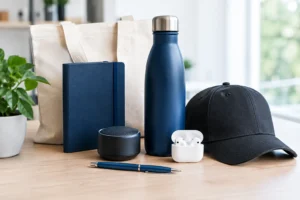
Subscription thinking also applies to business-to-business programmes. A company onboarding new employees, rewarding clients or sending recurring training materials can use a branded kit that feels organised and useful. A custom box may hold printed guides, notebooks, lanyards, uniforms, drinkware or event materials in one coordinated package.
The key is to avoid filler. Every item should earn its place, whether it helps the recipient begin work, attend an event or remember the brand. Printed folders and inserts can keep the content structured, while a personalised name card gives the kit a more considered finish.
For corporate teams, consistency across packaging, stationery, signage and branded merchandise can be just as valuable as the box itself. It turns several practical items into one recognisable brand experience.
Design decisions that protect your budget
A memorable pack does not need an expensive finish on every surface. Often, the greatest impact comes from a disciplined combination of the right box style, clear brand colours and one engaging interior detail. Printing both sides of a mailer, for instance, may offer more value than adding multiple separate inserts.
Before approving artwork, check the unboxing sequence. What does the customer see first? Can they remove the product easily? Will a card bend, shift or disappear beneath protective material? These small questions prevent a polished design from becoming frustrating in real use.
It is also wise to plan for fulfilment. If staff need to fold boxes, apply labels and pack multiple items quickly, complicated structures can slow the process and create inconsistency. A practical prototype lets you test packing time, fit and durability before committing to a larger run.
Bring the packaging and the brand together
Your subscription packaging should make the customer feel that the delivery was prepared for them, even when your operation is handling hundreds of orders. That comes from clarity: the right format, the right printed details and a finish that suits the value of what is inside.
At 2B Printing, businesses can bring packaging, inserts, stickers, paper bags, point-of-sale materials and campaign print under one production partner. Start with the customer’s opening moment, then build a pack your team can fulfil confidently, month after month.