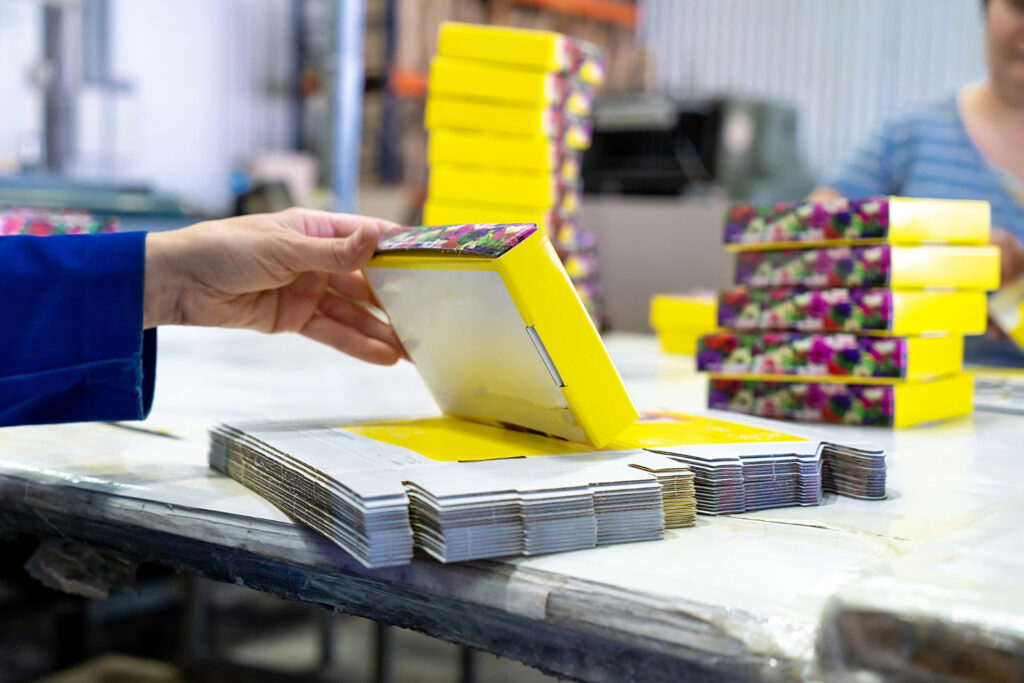
One of the most common questions businesses ask is: “How much does printing cost?” The answer, however, is not always straightforward. Printing costs vary depending on several factors such as material, quantity, finishing, and turnaround time.
Whether you’re printing stickers, business cards, packaging, or marketing materials, understanding what affects pricing helps you make smarter decisions and avoid unnecessary costs.
In this guide, we break down the key factors behind custom printing pricing and how to budget effectively for your next print project.
Why Printing Costs Are Not Fixed
Unlike off-the-shelf products, printing is highly customisable. There is no universal pricing because every project has different requirements.
A simple paper sticker and a waterproof PET sticker may look similar, but the materials, durability, and production process are completely different. Likewise, premium finishes such as foil stamping or lamination can significantly affect overall cost.
Printing costs are typically influenced by:
- Quantity
- Material selection
- Printing method
- Finishing options
- Production timeline
Understanding these variables helps businesses choose the right balance between quality, budget, and functionality.
If you’re exploring broader commercial printing solutions, visit our Commercial Printing Solutions page.
Key Factors That Affect Printing Cost
Quantity (MOQ Impact)
In printing, quantity plays a major role in pricing.
Generally:
- Higher quantities = lower cost per piece
- Lower quantities = higher cost per piece
This happens because setup costs are distributed across more units in larger print runs.
For example:
- Printing 100 stickers may cost more per sticker than printing 1,000 pieces
- Large-volume production is usually more cost-efficient
Choosing the right quantity helps optimize your budget.
Material Selection
Different materials come with different costs.
Examples:
- Paper stickers → lower cost
- PET waterproof stickers → higher durability and higher cost
- Specialty papers or textured materials → premium pricing
Material choice should match both your branding goals and practical usage.
Learn more in our Sticker Printing Guide.
Printing Method
The production method also affects pricing.
Digital Printing
- Better for small quantities
- Faster turnaround
- Lower setup cost
Offset Printing
- Better for large volumes
- Higher setup cost
- Lower cost per unit at scale
Understanding the difference between these methods can help reduce unnecessary spending.
👉 Read our Digital vs Offset Printing Guide to learn more.
Finishing Options
Finishing enhances appearance and durability, but it also adds cost.
Common finishing options include:
- Lamination
- Spot UV
- Embossing
- Foil stamping
Premium finishes elevate brand perception, especially for packaging and business cards.
Turnaround Time
Urgent jobs often require production prioritization, overtime scheduling, or express delivery.
As a result:
- Rush orders typically cost more
- Planning ahead helps reduce cost
Whenever possible, allow sufficient lead time for better production efficiency.
Example Pricing Breakdown
Here’s a simplified example to help illustrate how pricing scales with quantity.
Product | Quantity | Estimated Cost Per Unit |
Paper Stickers | 100 pcs | Higher |
Paper Stickers | 1,000 pcs | Lower |
Business Cards | 100 pcs | Moderate |
Business Cards | 1,000 pcs | Much Lower |
The key takeaway:
Larger quantities usually offer better value per piece.
However, printing more than necessary can also lead to waste, so it’s important to balance volume with actual usage.
Sticker Printing Cost
Sticker printing is one of the most searched print categories because pricing varies greatly depending on material and finishing.
Paper Stickers
- Most affordable option
- Suitable for indoor use
- Best for short-term campaigns
PET Stickers
- Waterproof and durable
- Higher cost due to material quality
- Ideal for packaging and outdoor use
Waterproof Stickers
Often combined with lamination for extra durability, making them more premium in both function and pricing.
👉 Explore more in our Custom Sticker Printing Guide.
Business Card Printing Cost
Business card pricing depends on:
- Paper thickness (GSM)
- Printing method
- Finishing options
- Quantity
Basic Business Cards
- Standard art card
- Matte or gloss finish
- Lower production cost
Premium Business Cards
- Thick stock, textured or branded
- Lamination
- Foil stamping or embossing
Premium finishes create a stronger first impression but increase production cost.
Offset printing is usually more economical for high-volume business card orders, while digital printing works well for smaller runs.
How to Reduce Printing Costs Without Sacrificing Quality
Reducing cost doesn’t always mean choosing the cheapest option. Here are smarter ways to optimise your print budget:
Choose the Correct Quantity Tier
Printing slightly higher quantities can reduce unit cost significantly.
Use Standard Sizes
Custom sizes may increase setup and material waste.
Avoid Unnecessary Finishes
Only use premium finishing where it adds real value.
Select the Right Material
Match durability with actual usage needs.
The goal is to achieve the best balance between cost, function, and brand presentation.
Common Pricing Mistakes Customers Make
Comparing Different Specifications
Two quotations may look similar but use completely different materials or finishes.
Ignoring Material Differences
Cheaper materials may reduce durability and overall appearance.
Overlooking Finishing Costs
Lamination, UV, and foil stamping can significantly impact pricing.
Choosing Based on Price Alone
Low-cost printing may lead to poor quality and expensive reprints later.
When Cheap Printing Becomes Expensive
Choosing the cheapest printing option can sometimes cost more in the long run.
Common issues include:
- Poor print quality
- Weak durability
- Color inconsistency
- Reprints due to production issues
For branding materials especially, poor-quality printing can negatively affect customer perception and brand trust.
Good printing is not just an expense—it’s part of your brand experience.
How 2B Printing Keeps Pricing Transparent
At 2B Printing, we believe printing quotations should be clear and easy to understand.
We help businesses by providing:
- Transparent pricing breakdowns
- Material recommendations
- Practical production advice
- Clear guidance on finishes and quantities
Our goal is to help clients achieve the right balance between quality, functionality, and budget—without hidden surprises.
Need Help Estimating Your Printing Cost?
Whether you’re printing stickers, business cards, packaging, or corporate materials, we’re here to help you choose the right solution for your budget.
👉 Get a Quote Today
👉 Chat with Our Printing Specialist