A stack of 5,000 postcards does not have to say the same thing 5,000 times. A restaurant can feature each recipient’s nearest outlet, a retailer can promote products based on past purchases, and an event organiser can print a unique QR code on every invitation. That is the practical answer to what is variable data printing: a way to personalise printed pieces at scale without stopping the press between copies.
For businesses, this turns familiar materials such as direct mailers, vouchers, name cards, certificates and labels into more relevant brand touchpoints. Done well, it combines the credibility of print with the precision people expect from digital marketing.
What is variable data printing?
Variable data printing, often shortened to VDP, is a digital printing process that changes selected text, images, graphics, barcodes or other elements from one printed item to the next. The overall layout can remain consistent, while information drawn from a database changes automatically for each recipient, product or location.
Think of a campaign flyer with one fixed design. The logo, campaign message and brand colours stay the same, but the recipient’s name, membership number, promotional offer and QR code can differ on every copy. Instead of creating thousands of separate artwork files, the print system combines one approved design template with a structured data file.
This differs from traditional print personalisation, where changes often require separate print runs, manual versioning or time-consuming finishing work. Variable data printing is designed for controlled variation at speed, making it particularly useful when accuracy, relevance and turnaround matter.
How variable data printing works
Every VDP job starts with two core components: the artwork template and the data. The artwork contains fixed brand elements alongside clearly defined variable fields. These may be placeholders for a name, image, discount code, venue, expiry date or serial number.
The data is usually supplied in a spreadsheet or database format. Each row represents one printed piece, while each column contains the information that will appear in a particular field. Before production, the data is checked for missing details, duplicate records, incorrect formatting and character limits. This is where careful artwork guidance makes a genuine difference: a long company name or a postal address with several lines must still fit the design cleanly.
Specialised VDP software then merges the records into the artwork and sends the finished sequence to a digital press. The press prints each version consecutively, changing only the required fields as it goes. Matching and sorting can also be planned so that printed packs, envelopes, inserts or labels stay correctly paired.
The technology is powerful, but it is not magic. A beautifully designed mailer cannot compensate for a poorly maintained contact list, and a personalised offer will feel misplaced if the underlying customer information is out of date.
Where personalised print delivers value
The strongest VDP campaigns use data to make the printed item more useful, not merely more decorative. Putting a person’s first name in large type can attract attention, but the real commercial value usually comes from relevance.
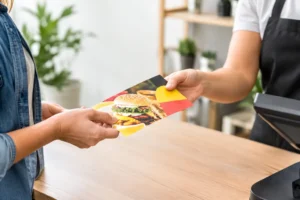
A fitness studio, for example, might send past trial members a tailored return offer with the class location they previously visited. A food and beverage brand can distribute vouchers with unique redemption codes to measure which campaign version drives orders. A property agency may produce neighbourhood-specific brochures featuring local listings and nearby amenities. For corporate teams, personalised certificates, event badges and training materials reduce administrative effort while presenting a more polished experience.
Variable data printing is equally valuable outside marketing. Sequential numbering on invoices and forms helps with record keeping. Product labels can carry changing batch information, ingredients, dates or barcodes. Retail packaging sleeves may be personalised for a limited campaign, corporate gifting programme or event activation. When every item needs a unique identifier, VDP can bring order as well as impact.
Common applications for VDP
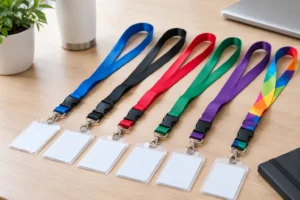
Businesses commonly use variable data printing for direct mail, loyalty vouchers, event invitations, personalised name cards, certificates, product labels, membership cards, gift tags, fundraising appeals and numbered tickets. It can also support point-of-sale campaigns where each branch receives materials tailored to its location, opening date or local promotion.
The right format depends on how the customer will receive and use the item. A premium invitation may call for heavier stock, foil details or embossing, while a high-volume coupon campaign may prioritise economical stock, clear codes and efficient fulfilment.
Why it can outperform generic print
Generic print is still the right choice for many jobs. A product catalogue, seasonal poster or exhibition backdrop often needs consistent messaging for everyone who sees it. But when an audience has meaningful differences, one message for all can dilute the result.
Personalised print gives recipients a clearer reason to pay attention. It can direct them to the correct outlet, present the right event session, acknowledge their membership status or provide an offer that is genuinely relevant. That relevance can improve response rates, but it also helps protect brand perception. Customers are more likely to engage when communications feel considered rather than randomly distributed.
VDP also gives teams better campaign visibility. Unique voucher codes, QR codes or tracking numbers make it easier to compare offers, segments and channels. This does not mean every campaign needs extensive personal data. Even simple variation by region, customer type, store location or event day can provide useful insight.
For operations teams, the benefit is consistency. A centrally managed template helps maintain approved fonts, colours, logos and legal wording across many versions. Rather than asking staff to edit individual files, the process can create controlled variations from one source of truth.
Planning a variable data printing job
The best time to consider VDP is before the artwork is finalised. Trying to add variable fields after a design has been approved can lead to cramped text, awkward image crops or extra production time. Begin with the outcome: what should change, why should it change, and what action should the recipient take?
Keep the variable content purposeful. If every recipient receives the same product recommendation or offer, adding a name alone may not justify the extra preparation. On the other hand, a campaign with location-specific details, unique codes and tailored calls to action can make VDP a highly effective investment.
Your data should be clean, current and consistently formatted. Decide how names should appear, whether address lines have a maximum length, how dates will be written and whether special characters are supported. It is also wise to prepare a small set of test records containing the shortest and longest likely entries. This helps reveal layout problems before the full run begins.
Proofing matters even more than with a standard print job. Review the fixed design, then inspect multiple variable samples. Check names, prices, codes, dates, images and any conditional content. If a recipient is meant to receive an envelope, letter and voucher with matching details, confirm the matching process too.
Design choices that keep each version polished
A variable field needs room to breathe. Designs should allow for longer names, multi-line addresses and unexpected variations in data length. A flexible type size, sensible character limit or alternate layout can prevent one unusually long record from disrupting an otherwise refined piece.
Contrast is particularly important for variable QR codes, barcodes and redemption numbers. They need to scan reliably after printing, so avoid placing them over busy images, metallic finishes or low-contrast colours. Leave sufficient clear space around the code and test it with ordinary mobile devices before production.
Personalised imagery can be compelling, especially for retail or hospitality campaigns, but it requires careful data rules. If a customer record does not match an available image category, the system should use a suitable fallback image rather than leaving a blank area. Consistency protects both the campaign and your brand’s voice.
Cost, quantity and data considerations
Variable data printing is often more cost-effective than producing many separate short runs, particularly when each version has a different name, code or message. However, the final cost depends on quantity, format, paper stock, finishing, data preparation, proofing and any packing or mailing requirements.
For a simple numbered ticket or name card job, setup may be straightforward. For a multi-part direct mail campaign with personalised images, different offers, envelopes and fulfilment, more planning is needed. The best route depends on the level of variation and the commercial value of the campaign.
Data privacy also deserves attention. Only use recipient information you are authorised to process, restrict access to files, and share the minimum data required for production. If printed items contain account details, personalised codes or other sensitive information, discuss secure handling, packing and delivery arrangements before the job starts.
A carefully planned VDP project can make each printed piece feel less like a broadcast and more like a useful conversation. Whether you are launching a retail promotion, managing an event or improving day-to-day documentation, the right template, accurate data and reliable production partner can turn variation into a lasting impression.